
 Get the Muslim Alim app
Hadiths of the Prophet Muhammad ﷺ: the most famous, with their references
The Most Famous Hadiths
Deeds and Intentions
Religion Is Sincerity
The Lawful and the Unlawful
Faith and Good Deeds
Excellence of Character
The Signs of Hypocrisy
Brotherly Love
The Value of Life
Excellence (Ihsan)
Patience
Paradise Lies at the Feet of Mothers
Kindness to Animals
The Merit of Knowledge
Anger
The Smile
Cleanliness
The Best of You
The Rights of the Neighbour
The Kind Word
Respect for Elders
True Strength
The Value of Time
Moderation
The Best of Earnings
Important Note
This collection brings together a selection of the best-known authentic (sahih) hadiths. The English translations are given as a guide.
- Refer to the original Arabic texts
- Consult the commentaries of the scholars
- Study the historical context of each hadith
- Check the full chains of transmission
A collection of the best-known authentic hadiths with full references
The hadiths are the second source of Islam after the Quran. These sayings, acts and approvals of the Prophet Muhammad guide Muslims in their daily lives. Scholars gathered these precious accounts into different collections over the centuries.
Among the most authentic collections are Sahih al-Bukhari and Sahih Muslim. The first holds about 7,500 hadiths collected by Imam al-Bukhari in the 9th century. Sahih Muslim holds nearly 7,200. These two works form what is called the "two Sahihs", recognised by the whole Muslim community for their reliability.
Every authentic hadith has a precise reference. For instance, the famous hadith "deeds are judged only by intentions" is found in Bukhari (1) and Muslim (1907). That numbering lets students and scholars check the sources easily. The other major collections include Sunan Abu Dawud, Jami' at-Tirmidhi and Sunan an-Nasa'i.
The hadiths sit perfectly alongside the Quranic teachings. They explain how to perform the prayer correctly, set out the rules of conduct and clarify particular verses of the holy book. For instance, while the Quran mentions prayer, the hadiths describe its exact movements and formulas.
Studying the hadiths calls for patience and rigour. Each account was passed on through a chain of narrators called an "isnad". The Muslim scholars developed a whole science for checking the authenticity of those chains. That rigorous method has kept the prophetic teachings faithfully preserved across the generations.
Today many sites and apps make these sacred texts easy to reach. Muslims can deepen their understanding of Islam by reading these authentic sources directly, with their full references.
Also worth reading
All of Hadiths
The 40 Hadiths of Nawawi
Read the 40 hadiths of Imam An-Nawawi in Arabic with their English translation: intention, the pillars of Islam, sincerity, good character. An essential guide.
Read
Hisnul Muslim, the Muslim's fortress
Hisnul Muslim, the Fortress of the Muslim: duas for waking, morning, evening, before sleep and travel, in Arabic, transliteration, translation and reference.
Read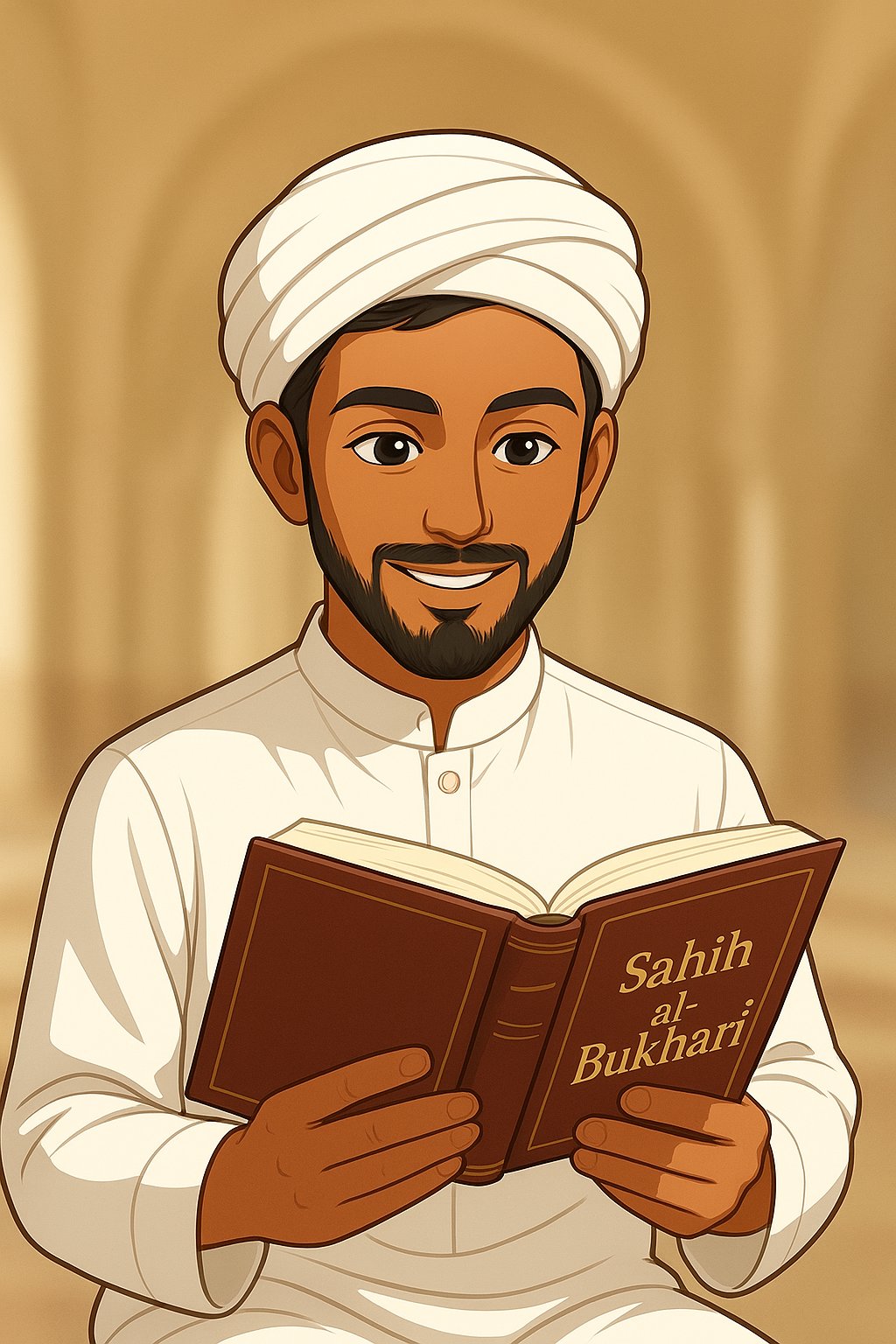
Read a book of Sahih Bukhari
Read the hadiths of a book of Sahih Al-Bukhari with the Arabic text, the English translation and the reference of each hadith. Search and share.
Read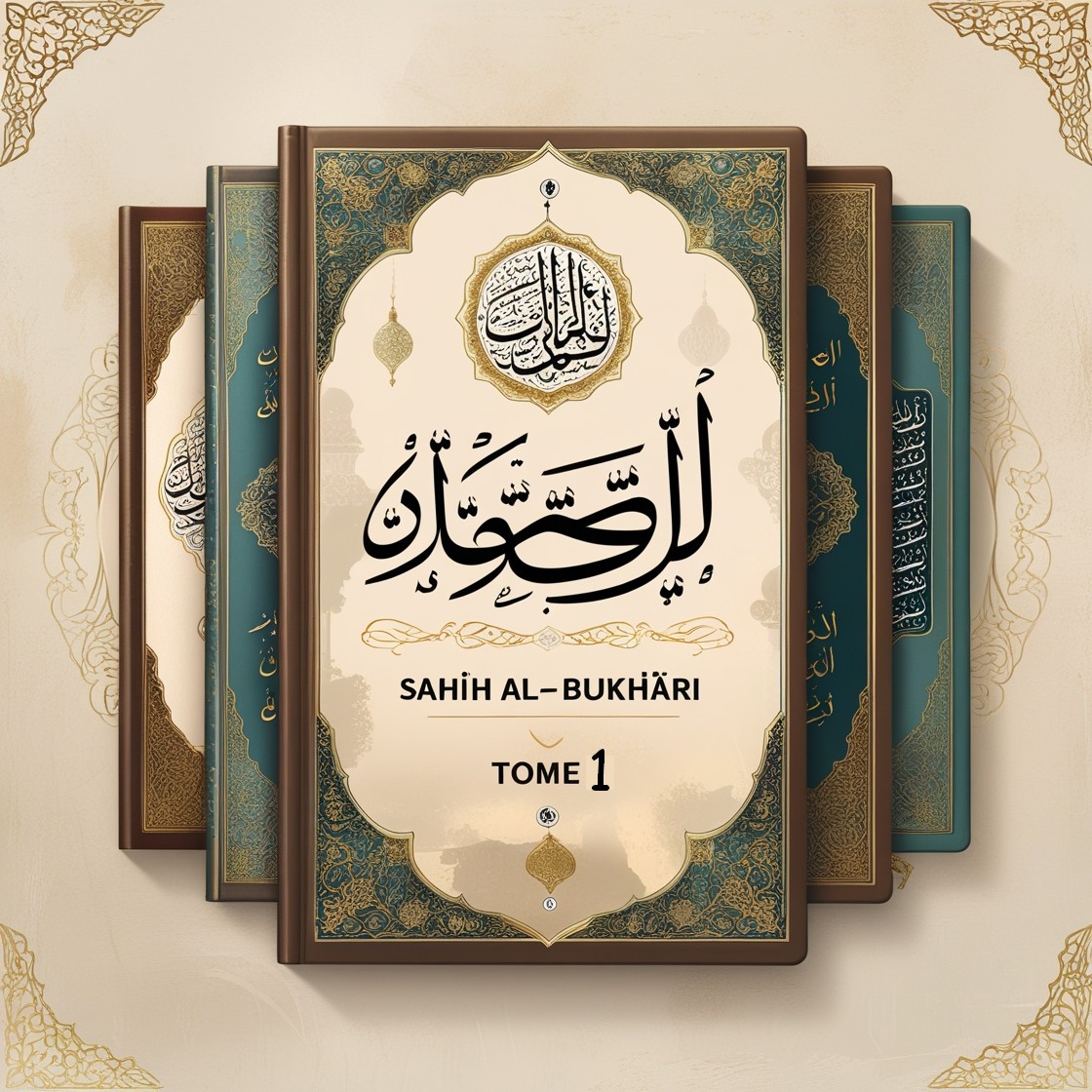
Volumes of Sahih Bukhari
Browse the thematic books of a volume of Sahih Al-Bukhari: faith, prayer, fasting, pilgrimage, trade… Click a book to read its hadiths.
Read
The Prophet's Farewell Sermon
Arabic text and translation of the Prophet Muhammad's ﷺ farewell sermon at Arafat during the Farewell Pilgrimage: equality, women's rights, Quran and Sunnah.
Read
The Prophet Adam
The story of the Prophet Adam in Islam: his creation from clay, the prostration of the angels, the refusal of Iblis, the slip, the repentance and his offspring.
ReadYou may be wondering…
What are the most famous hadiths of the Prophet?
This page brings together some twenty of the best-known hadiths: deeds and intentions, religion is sincerity, the lawful and the unlawful, the branches of faith, brotherly love, patience, Paradise at the feet of mothers, kindness to animals, the merit of knowledge, anger, the smile, the rights of the neighbour and true strength.
What is a hadith in Islam?
A hadith is a saying, an act or an approval of the Prophet Muhammad ﷺ, reported by his Companions and passed on from one generation to the next. The hadiths make up the Sunnah, the second source of Islam after the Quran: they shed light on the verses and show in practice how to live by the Islamic precepts.
What does "reported by Al-Bukhari and Muslim" mean?
That note means the hadith appears both in Sahih Al-Bukhari and in Sahih Muslim, the two most reliable collections in the Islamic tradition. Scholars call such a hadith muttafaq alayh, agreed upon by the two imams, which gives it the highest degree of authenticity.
Which collections are cited here?
Each hadith is followed by its source: reported by Al-Bukhari, by Muslim, by both, or by At-Tirmidhi. These references let the reader find the original Arabic text and check the chain of transmission. To go further, Nawawi's 40 hadiths complete this selection.
Are the English translations of the hadiths reliable?
The translations are given as a guide, to make the meaning easier to follow. The page recalls that one should refer to the original Arabic texts, consult the commentaries of the scholars, study the historical setting of each hadith and check the full chains of transmission before drawing a religious ruling from it.