
 Get the Muslim Alim app
Food in Islam: halal, haram and the etiquette of the meal
Dietary prescriptions according to the Quran and the Hadiths
Core Principles
The categories of food in Islam
Halal - Permitted and pure
Haram - Strictly forbidden
Makruh - Discouraged but not forbidden
Recommended foods (Halal)
1. Fruits of Paradise (فواكه الجنة)
Dates (التمر)
Benefits according to the hadiths:
- Recommended for breaking the fast
- Protection against poison and black magic (Ajwa dates)
- A natural tonic
Figs and olives (التين والزيتون)
Benefits mentioned:
- Olive oil is regarded as a blessed light
- Used as a remedy and as a seasoning
2. Lawful meats (اللحوم الحلال)
| Type | Conditions | Source |
|---|---|---|
| Sheep/Lamb | Ritual slaughter required | Surah Al-An'am, 142 |
| Beef | Ritual slaughter required | Surah Al-An'am, 142 |
| Camel | Specific ritual slaughter | Authentic hadiths |
| Poultry | Ritual slaughter required | Consensus of the scholars |
3. Seafood (مأكولات بحرية)
Forbidden foods (Haram)
1. Explicit prohibitions of the Quran
| Food/Drink | Reason for the prohibition | Source |
|---|---|---|
| Pork and its by-products | Explicitly forbidden | Quran, Al-Ma'ida:3 |
| Alcohol | Intoxicant | Quran, Al-Ma'ida:90 |
| Blood | Impurity | Quran, Al-Ma'ida:3 |
| Carrion | Not ritually slaughtered | Quran, Al-Ma'ida:3 |
Rules of eating
1. General rules
- Say "Bismillah" before eating
- Eat with the right hand
- Eat sitting down
- Do not blow on the food
- Eat in moderation
2. Etiquette of the meal
| Action | Recommendation | Source |
|---|---|---|
| Before the meal | Wash the hands and say Bismillah | Authentic hadiths |
| During the meal | Eat with three fingers, in small mouthfuls | Sunnah of the Prophet ﷺ |
| After the meal | Say Alhamdulillah and wash the hands | Authentic hadiths |
Spiritual and physical benefits
1. Benefits of halal food
- Purification of the soul
- Blessing in the food
- Improved physical health
- Strengthening of faith
- Protection against illness
2. Impact on spiritual life
3. Traditional and modern aspects
| Aspect | Traditional | Modern |
|---|---|---|
| Source | Local production | Halal certification |
| Verification | Direct knowledge | Labels and certifications |
| Distribution | Local markets | International trade |
Conclusion
Key points to remember
- The importance of the purity of foods
- Respect for the rules of slaughter
- Moderation in consumption
- Etiquette and good manners
- Gratitude to Allah for the food
Food in Islam and the prophetic remedies of the authentic Sunnah
Food in Islam rests on clear principles laid down by the Quran and the Sunnah. Halal foods are permitted while haram foods are strictly forbidden to Muslims. This distinction guides every meal and every food choice of the believer.
Haram foods mainly include pork, alcohol in all its forms, animals that died naturally and those not slaughtered according to the Islamic rites. Halal meats come from animals slaughtered in the name of Allah, with respect and according to the prophetic method. Fruit, vegetables, grains and fish generally remain permitted.
The Sunnah also teaches us many prophetic remedies based on natural foods. Honey holds a central place, mentioned in the Quran as a source of healing. Dates, eaten daily by the prophet Muhammad, bring energy and protection. Olive oil, blessed in the sacred texts, has recognised healing properties.
Black seed, called "habbat al-baraka", is a remedy for many ills according to the authentic hadiths . Zamzam, the sacred water of Mecca, heals according to the intention of the one who drinks it. These natural remedies complement modern medicine rather than replacing it.
Islamic food etiquette recommends eating with the right hand, saying "Bismillah" before the meal and "Alhamdulillah" afterwards. Sharing one's food with the needy is an act of generosity that is strongly encouraged. Moderation remains essential, for excess harms both spiritual and physical health.
These prophetic teachings, reported in the authentic texts, offer a holistic approach to food that nourishes body and soul. Every Muslim can follow these recommendations for a healthier life in keeping with the divine precepts.
Also worth reading
All of Islamic knowledge
The 99 names of Allah
Discover the 99 names of Allah (Asma al-Husna) with their meaning in English, their pronunciation in Arabic and simple tips for memorising them.
Read
The three sacred mosques
Masjid al-Haram, the Prophet's Mosque and Al-Aqsa: the history, verses and hadiths that make these three mosques the holiest places in Islam.
Read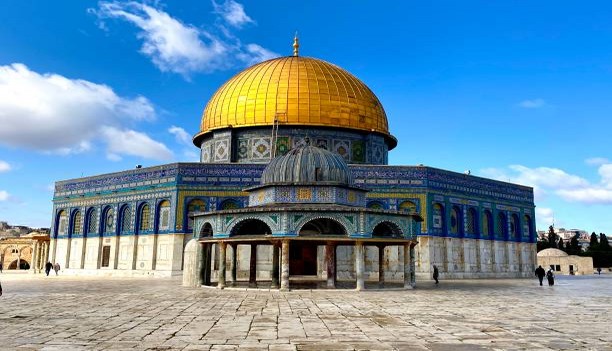
Al-Aqsa Mosque live
Watch Al-Aqsa Mosque in Jerusalem live and free: the third holiest site of Islam, the first qibla of the Muslims and the place of the Night Journey.
Read
Arabic numerals
Learn to read Eastern Arabic numerals (٠١٢٣٤٥٦٧٨٩) with a table, worked examples and an interactive quiz on 3 levels, from beginner to advanced.
Read
Contact form
Contact the Muslim Alim team through the form: report a problem, suggest a feature, ask a question or send us your feedback.
Read
The Hanafi school of Abu Hanifa
Founded in Kufa by Imam Abu Hanifa in the 8th century, the Hanafi school is the most widely followed Sunni madhhab: history, method (qiyas, istihsan) and spread.
ReadYou may be wondering…
Which foods are haram in Islam?
The Quran explicitly forbids pork and its by-products, blood, the dead animal (carrion) and any animal over which a name other than that of Allah has been invoked (Surah Al-Ma'ida, verse 3). Alcohol and every intoxicant are likewise prohibited (Al-Ma'ida, verse 90). Animals not slaughtered according to the Islamic rite also fall into the category of forbidden foods.
What is a halal food?
A halal food is lawful and pure according to Islamic law. Fruit, vegetables, grains and seafood are generally permitted (Surah Al-Ma'ida, verse 96). The meat of sheep, cattle, camel or poultry is halal provided the animal has been ritually slaughtered, in the name of Allah. The Quran calls upon believers to eat lawful and pure foods and to thank Allah for them.
What does makruh mean in matters of food?
The term makruh means what is discouraged without being formally forbidden. Between halal (permitted) and haram (forbidden), it covers foods or behaviours that the scholars advise avoiding, without their consumption being a sin comparable to that of a haram food. Opinions may vary between the schools of law as to what belongs in this category.
What are the rules at table in Islam?
The Sunnah recommends washing the hands, saying Bismillah before eating, eating with the right hand, seated, in small mouthfuls, and not blowing on the food. After the meal, one says Alhamdulillah. The Quran calls for moderation: eat and drink without excess (Surah Al-A'raf, verse 31). Sharing one's food with the needy is strongly encouraged.
Which foods are recommended by the Sunnah?
Several foods are singled out by the Quran and the hadiths: dates, recommended for breaking the fast, honey, mentioned as a source of healing, olive oil, described as blessed, black seed (habbat al-baraka) and Zamzam water. These prophetic remedies nourish body and soul, but they complement modern medicine rather than replacing it.