
 Get the Muslim Alim app
A complete guide to the Hajj: stages, rites and supplications
The essential stages and supplications
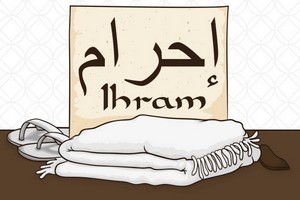
Ihram
Entering the state of consecration before the miqat
Place: the miqatMeaning: Here I am, O Allah, here I am. Here I am, You have no partner, here I am. Indeed all praise, blessing and sovereignty belong to You. You have no partner.
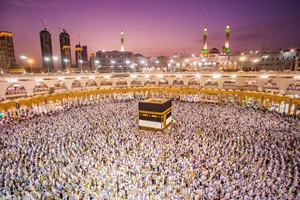
Tawaf al-Qudum
The seven circuits around the Kaaba
Place: the KaabaBetween the Black Stone and the Yemeni corner:
Sa'i
The seven trips between Safa and Marwah
Place: between Safa and Marwah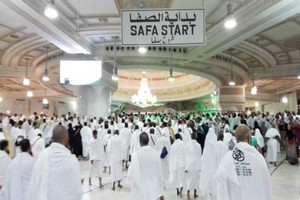
The standing at Arafat
The most important day of the Hajj
Place: Mount Arafat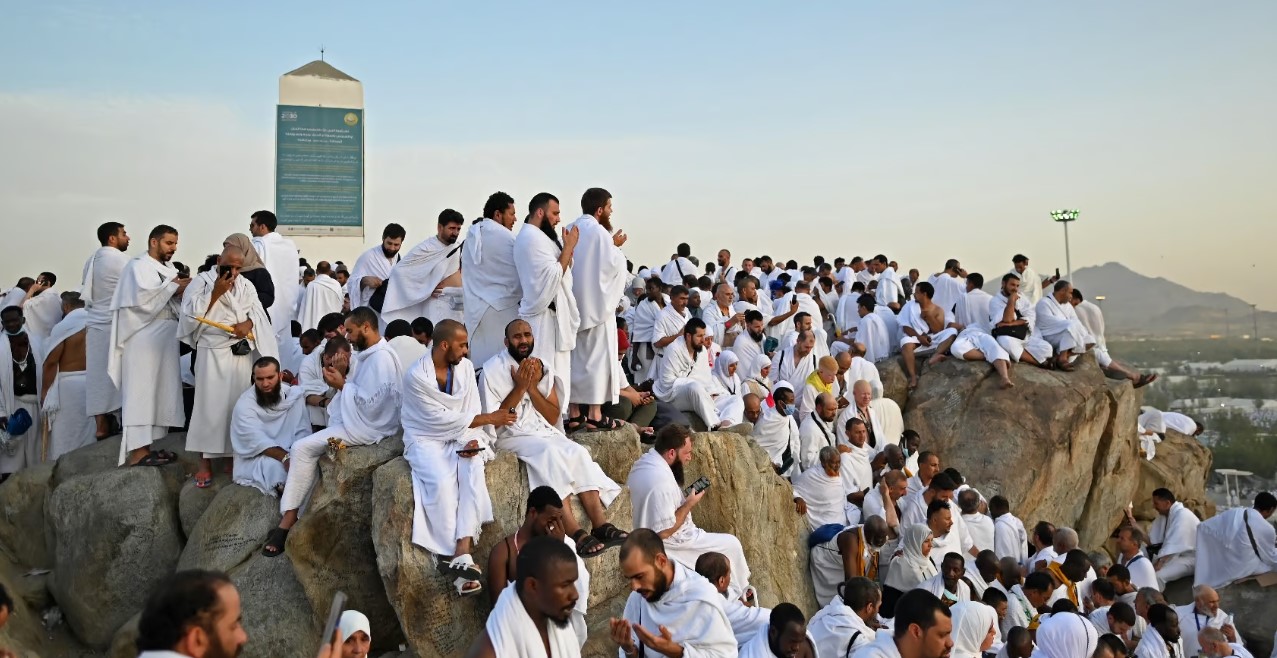
Muzdalifah
Spending the night and gathering pebbles
Place: Muzdalifah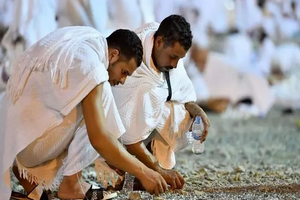
Mina and the stoning
The stoning of the pillars
Place: the Jamarat at Mina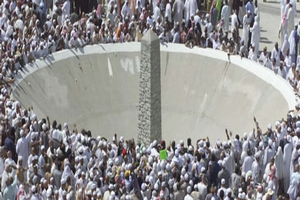
Tawaf al-Ifadah
The obligatory tawaf of the Hajj
Place: the Kaaba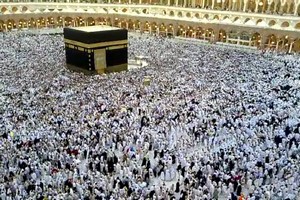
A complete guide to the Hajj: stages, rites and essential supplications
The Hajj is the fifth pillar of Islam and an obligation for every Muslim with the physical and financial means. This pilgrimage to Mecca takes place each year during the month of Dhul-Hijjah in the lunar calendar.
The first stage is to enter the state ofihram before reaching the sacred boundaries of Mecca. Men wear two unsewn pieces of white cloth, while women wear plain clothing covering the whole body except the face and the hands. At that moment the pilgrim recites the talbiyah: "Labbayka Allahumma labbayk" (Here I am, O Allah, here I am).
Once in Mecca, the pilgrim performs the tawaf around the Kaaba, seven circuits anticlockwise. He then performs the sa'i between the hills of Safa and Marwah, covering that distance seven times in memory of Hajar, the wife of Ibrahim.
On the 8th day of Dhul-Hijjah, the pilgrims go to Mina where they spend the night. The next day they set out for Arafat to perform the wuquf, the standing before Allah regarded as the central pillar of the Hajj. supplications and repentance fill that sacred day.
After sunset, the departure for Muzdalifah is made calmly. There the pilgrims gather pebbles for the stoning of the pillars at Mina. That stoning stands for the rejection of the devil and lasts three days. Between these rites, the sacrifice of an animal marks the end of the state of ihram.
The Hajj ends with a final farewell tawaf around the Kaaba. Many pilgrims also use their stay to perform the prayer in the Prophet's Mosque in Medina.
Also worth reading
All of Islamic knowledge
Umrah guide
Ihram at the miqat, talbiyah, tawaf, prayer at Maqam Ibrahim, Zamzam water, sa'i and cutting the hair: a step-by-step Umrah guide with the duas in Arabic.
Read
The 99 names of Allah
Discover the 99 names of Allah (Asma al-Husna) with their meaning in English, their pronunciation in Arabic and simple tips for memorising them.
Read
The three sacred mosques
Masjid al-Haram, the Prophet's Mosque and Al-Aqsa: the history, verses and hadiths that make these three mosques the holiest places in Islam.
Read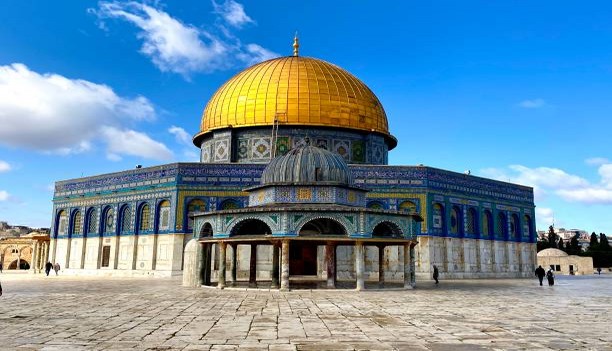
Al-Aqsa Mosque live
Watch Al-Aqsa Mosque in Jerusalem live and free: the third holiest site of Islam, the first qibla of the Muslims and the place of the Night Journey.
Read
Arabic numerals
Learn to read Eastern Arabic numerals (٠١٢٣٤٥٦٧٨٩) with a table, worked examples and an interactive quiz on 3 levels, from beginner to advanced.
Read
Contact form
Contact the Muslim Alim team through the form: report a problem, suggest a feature, ask a question or send us your feedback.
ReadYou may be wondering…
What are the stages of the Hajj?
The Hajj unfolds through several rites: entering ihram at the miqat, the arrival tawaf around the Kaaba, the sa'i between Safa and Marwah, the night at Mina, the standing at Arafat, the night at Muzdalifah, the stoning of the pillars at Mina, the sacrifice, the tawaf al-ifadah and then the farewell tawaf. Each stage has its own supplications, set out in this guide.
When does the Hajj take place?
The Hajj is performed each year during the month of Dhul-Hijjah, the twelfth month of the Islamic calendar. The main rites begin on 8 Dhul-Hijjah with the departure for Mina, continue on the 9th with the standing at Arafat, then on the 10th, the day of Eid al-Adha, with the stoning and the sacrifice. The stoning then continues during the days of Tashriq at Mina.
What is ihram?
Ihram is the state of consecration the pilgrim enters before crossing the miqat. Men wear two unsewn pieces of white cloth, women plain clothing covering the body except the face and the hands. The pilgrim makes the intention and recites the talbiyah: "Labbayka Allahumma labbayk". Certain acts, such as using perfume or cutting the hair, then become forbidden until the rites are complete.
Why is the standing at Arafat so important?
The standing at Arafat (wuquf), on 9 Dhul-Hijjah, is regarded as the central pillar of the Hajj: a pilgrim who misses it has not performed the pilgrimage. That day is given to supplication, repentance and reflection before Allah. Pilgrims repeat in particular "La ilaha illa Allah wahdahu la sharika lah" and ask forgiveness again and again until sunset.
What is said during the tawaf around the Kaaba?
At the start of each circuit, facing the Black Stone, the pilgrim says "Bismillahi Allahu Akbar". Between the Yemeni corner and the Black Stone, it is recommended to recite the Quranic supplication "Rabbana atina fid-dunya hasanatan wa fil akhirati hasanatan wa qina adhaban-nar". The rest of the tawaf is left to personal supplication, dhikr and reading the Quran, moving anticlockwise.