
 Get the Muslim Alim app
Sulayman (Solomon), the prophet-king
The Prophet Sulayman (Solomon)
Origins and Inheritance
- Son of the Prophet Dawud (David)
- Heir to the kingdom of Israel
- Began his reign at the age of 13
Exceptional Divine Gifts
Speech with Every Creature
- Conversing with animals
- Speaking with the birds
- Understanding the insects
Command over the Elements
- Mastery of the winds
- Travel "a month in the morning, a month in the evening"
- His army carried through the air
Command over the Jinn
- Authority over unseen forces
- The building of great structures
- The exploring of the ocean depths
The Three Armies
The Army of Men
- Elite cavalry
- Organised infantry
- Military strategists
The Army of Birds
- The hoopoe as scout
- Messengers of the air
- Watch over the kingdom
The Army of Jinn
- Building
- Special missions
- Complex works
The Episode of the Queen of Sheba
- The hoopoe discovers the kingdom of Sheba
- An exchange of diplomatic letters
- The visit of Queen Bilqis
- The queen's submission to Allah
Wisdom and Justice
Qualities of Government
- Fair judgements
- Refined diplomacy
- Effective administration
- Strategic vision
Spiritual Legacy
A Lasting Influence
- A model of just government
- An example of the wise use of power
- An inspiration in architecture
- A symbol of divine wisdom
The story of the Prophet Sulayman in Islam from the authentic sources
Sulayman, known as Solomon in other traditions, holds a particular place among the prophets of Islam. Son of the prophet Dawud (David), he inherited not only his father's kingdom but also his prophetic mission. Allah granted him exceptional gifts that make his story one of the most fascinating in the Quran.
Sulayman's most remarkable gift was his ability to speak with animals. That unique faculty let him understand the language of birds, of ants and of every creature. The famous episode with the Queen of Sheba is a perfect illustration of it, when a hoopoe brought him news of a distant kingdom.
Sulayman also commanded the jinn, who worked at his orders to raise great structures. Those unseen beings obeyed him by divine will. They built palaces, basins and statues of astonishing beauty. The Quran mentions that some jinn dived into the seas to bring him pearls and treasures.
His legendary wisdom drew visitors from across the world. The Quranic accounts relate how he settled disputes with remarkable insight. The Queen of Sheba's coming to his court remains a striking example of his diplomacy and discernment.
Despite his wealth and immense power, Sulayman remained a humble servant of Allah. He used his gifts to establish justice and spread the divine message. His reign represents the harmony of worldly and spiritual authority. Studying the prophets of Islam shows that each had particular qualities, but Sulayman stands out for the sheer range of the supernatural abilities granted him by the Most High.
Also worth reading
All of Prophets
The Prophet's Farewell Sermon
Arabic text and translation of the Prophet Muhammad's ﷺ farewell sermon at Arafat during the Farewell Pilgrimage: equality, women's rights, Quran and Sunnah.
Read
The Prophet Adam
The story of the Prophet Adam in Islam: his creation from clay, the prostration of the angels, the refusal of Iblis, the slip, the repentance and his offspring.
Read
The Prophet Al-Yasa
Who is the Prophet Al-Yasa (Elisha) in Islam? His two mentions in the Quran, his mission to the Children of Israel and his link with the Prophet Ilyas.
Read
The Prophet Ayyub
The story of the Prophet Ayyub (Job) in Islam: the loss of his wealth, his children and his health, his prayer, his healing and his patience rewarded.
Read
Famous hadiths of the Prophet
The best-known hadiths of the Prophet Muhammad ﷺ translated into English with their source: intention, sincerity, lawful and unlawful, patience, anger…
Read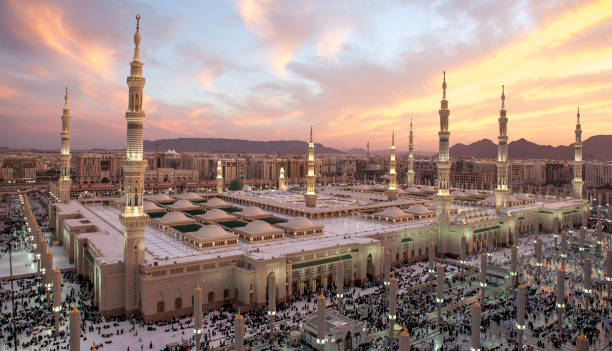
The Prophet's Mosque live
Watch the Prophet's Mosque in Medina live, the second holiest place in Islam: the five prayers, Ramadan tarawih and the architecture of Masjid an-Nabawi.
ReadYou may be wondering…
Who is Sulayman in Islam?
Sulayman (Solomon) is a prophet and a king, son of the prophet Dawud (David), from whom he inherited both the kingdom and the prophetic mission. The Quran relates that Allah granted him a unique power: understanding the speech of animals, command over the wind and authority over the jinn, while remaining a humble servant.
What gifts did Allah grant Sulayman?
According to the Quran, Sulayman understood the speech of birds and of ants, commanded the wind, which covered a month's journey in the morning and a month in the evening, and had at his service jinn who built palaces, basins and statues for him, and dived into the seas. His armies brought together men, jinn and birds.
What is the story of Sulayman and the Queen of Sheba?
The hoopoe (hudhud), Sulayman's scout, brought him word of a kingdom whose queen and people bowed down to the sun. Sulayman sent her a letter inviting her to submit to Allah. After an exchange of gifts, Queen Bilqis came to his court and, seeing the signs before her, submitted to Allah along with Sulayman (Surah An-Naml).
Did Sulayman really command the jinn?
Yes; according to the Quran, Allah made jinn subject to Sulayman, and they worked at his command by divine will. They built great structures and explored the depths of the sea for him. That power was not magic but a favour from Allah, and the Quran clears Sulayman of any charge of sorcery (Surah Al-Baqarah, 102).
What lesson does the life of Sulayman teach?
Despite immense wealth and power, Sulayman remained a grateful servant of Allah and used his gifts to establish justice and spread the divine message. His reign illustrates the harmony of worldly and spiritual authority, and reminds us that all power is a trial for which one must answer before Allah.