
 Get the Muslim Alim app
The three sacred mosques of Islam: Mecca, Medina and Jerusalem
In Islam, three mosques hold a particularly sacred and privileged place. The Prophet Muhammad (peace and blessings be upon him) said:
1. Al-Masjid Al-Haram (Mecca)
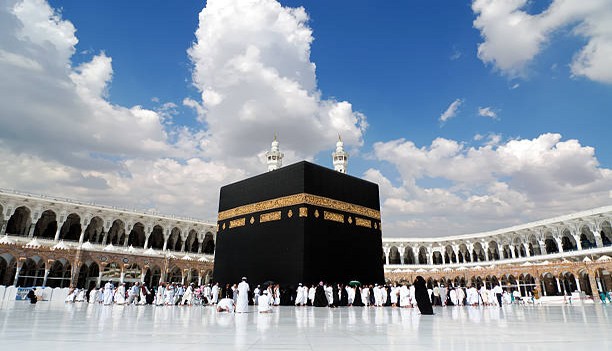
The holiest of mosques in Islam, in Mecca. It houses the Kaaba, the direction towards which Muslims turn to pray.
Historical importance:
- First built by the Prophet Ibrahim and his son Ismail
- The centre of the annual pilgrimage (Hajj)
- Named in the Quran: "Indeed, the first House established for mankind was that at Bakkah (Mecca), blessed and a guidance for the worlds." (Surah 3, verse 96)
2. Al-Masjid An-Nabawi (Medina)
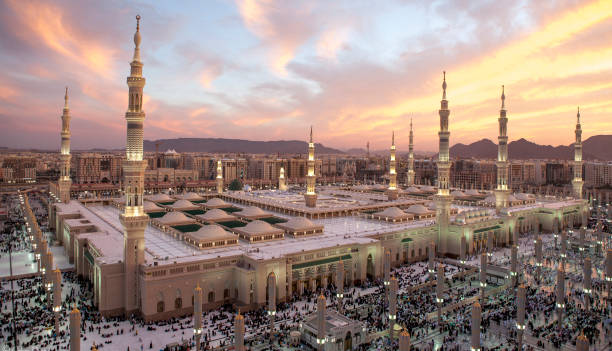
The second holiest mosque, built by the Prophet Muhammad himself after his migration to Medina.
Important features:
- Holds the grave of the Prophet Muhammad (peace and blessings be upon him)
- Contains Riyad al-Jannah (a Garden of Paradise)
- The Prophet said: "One prayer in this mosque of mine is better than a thousand prayers elsewhere, except in the Sacred Mosque." (Bukhari)
3. Al-Masjid Al-Aqsa (Jerusalem)
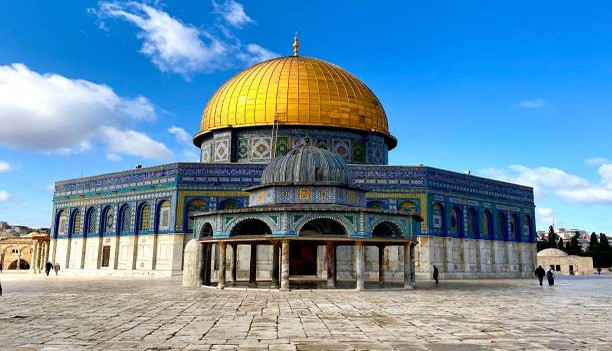
The third holiest mosque in Islam, in Jerusalem.
Historical significance:
- The first qibla (direction of prayer) of the Muslims
- The place of the Isra and the Mi'raj (the Prophet's night journey)
- Named in the Quran: "Glory be to Him who took His servant by night from the Sacred Mosque to Al-Aqsa Mosque, whose surroundings We have blessed." (Surah 17, verse 1)
Quranic References and Hadiths
Islamic quiz: test your knowledge of the Muslim faith
Islam has three sacred mosques that hold a central place in Muslim faith. Each has a history of its own and plays an important part in the spiritual life of believers the world over.
The Masjid al-Haram in Mecca is the holiest place in Islam. It houses the Kaaba, the black cube towards which all Muslims turn in their daily prayers. Every year this mosque receives millions of pilgrims come to perform the Hajj or the Umrah. The faithful perform the tawaf, the ritual circling of the Kaaba that is a foundational part of the pilgrimage.
In Medina stands the Prophet's Mosque, also called Masjid an-Nabawi. It was there that the Prophet Muhammad lived his last years and where he rests today. That mosque was the first he built himself. It served both as a place of worship and as a residence. Muslims come to pray there and to honour the last messenger of Allah.
The mosque of Al-Aqsa in Jerusalem completes this sacred trio. Named in the Quran, it was the first qibla before the direction of prayer was turned towards Mecca. According to Islamic tradition, it was from there that the Prophet Muhammad began his night journey to the heavens.
These three sanctuaries form the spiritual heart of Islam. They remind the faithful of the history of their religion and of the place of prayer in their daily life. To deepen your knowledge of the prophets of Islam, other resources are available on this site.
Also worth reading
All of Islamic knowledge
The 99 names of Allah
Discover the 99 names of Allah (Asma al-Husna) with their meaning in English, their pronunciation in Arabic and simple tips for memorising them.
Read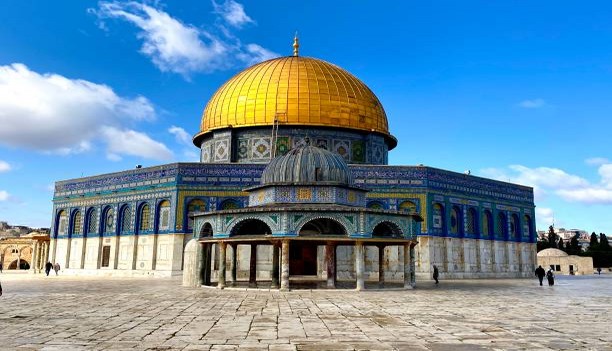
Al-Aqsa Mosque live
Watch Al-Aqsa Mosque in Jerusalem live and free: the third holiest site of Islam, the first qibla of the Muslims and the place of the Night Journey.
Read
Arabic numerals
Learn to read Eastern Arabic numerals (٠١٢٣٤٥٦٧٨٩) with a table, worked examples and an interactive quiz on 3 levels, from beginner to advanced.
Read
Contact form
Contact the Muslim Alim team through the form: report a problem, suggest a feature, ask a question or send us your feedback.
Read
The Hanafi school of Abu Hanifa
Founded in Kufa by Imam Abu Hanifa in the 8th century, the Hanafi school is the most widely followed Sunni madhhab: history, method (qiyas, istihsan) and spread.
Read
The Hanbali school of Ibn Hanbal
The Hanbali school, from Imam Ahmad ibn Hanbal (780-855) in Baghdad, gives priority to the texts over opinion. History, the mihna, principles and spread.
ReadYou may be wondering…
What are the three sacred mosques of Islam?
The three sacred mosques are Al-Masjid Al-Haram in Mecca, which houses the Kaaba, Al-Masjid An-Nabawi in Medina, built by the Prophet ﷺ and where his grave lies, and Al-Masjid Al-Aqsa in Jerusalem, the first qibla of the Muslims. A hadith reported by Al-Bukhari and Muslim states that one sets out on a journey of devotion only to these three mosques.
Why is Masjid al-Haram the holiest?
Masjid al-Haram is the holiest because it houses the Kaaba, the direction of prayer for all Muslims and the centre of the Hajj. According to the Quran (surah 3, verse 96), it is the first House established for mankind. Tradition relates that the prophet Ibrahim and his son Ismail raised its foundations, which makes it the oldest sanctuary of monotheism.
What is the reward for praying in the Prophet's Mosque?
According to a hadith reported by Al-Bukhari, one prayer in the Prophet's Mosque ﷺ is better than a thousand prayers performed elsewhere, except in the Sacred Mosque of Mecca. Masjid an-Nabawi also holds Riyad al-Jannah, a space the Prophet described as a garden of Paradise, as well as his grave, which makes it a place pilgrims greatly wish to visit.
Why is Al-Aqsa Mosque sacred to Muslims?
Al-Aqsa is the third holiest site in Islam. It was the first qibla of the Muslims before prayer was turned towards Mecca, and the Quran (surah 17, verse 1) names it as the destination of the Prophet's ﷺ night journey, the Isra, followed by his ascent, the Mi'raj. Its surroundings are described as blessed, hence its particular standing in the hearts of believers.
May one travel especially to visit another mosque?
According to the hadith reported by Al-Bukhari and Muslim, one sets out with a purpose of devotion only to three mosques: the Sacred Mosque, the Prophet's Mosque and Al-Aqsa. Most scholars hold that this means no other mosque has a merit that alone justifies a journey, even though praying in any mosque is of course permitted and meritorious.