Get the Muslim Alim app
Death in Islam: the grave, the afterlife and what to do at a death
In Islam, death is not an end but a passage to eternal life. Here is what the Quran and the Sunnah teach, from the last breath to the burial.

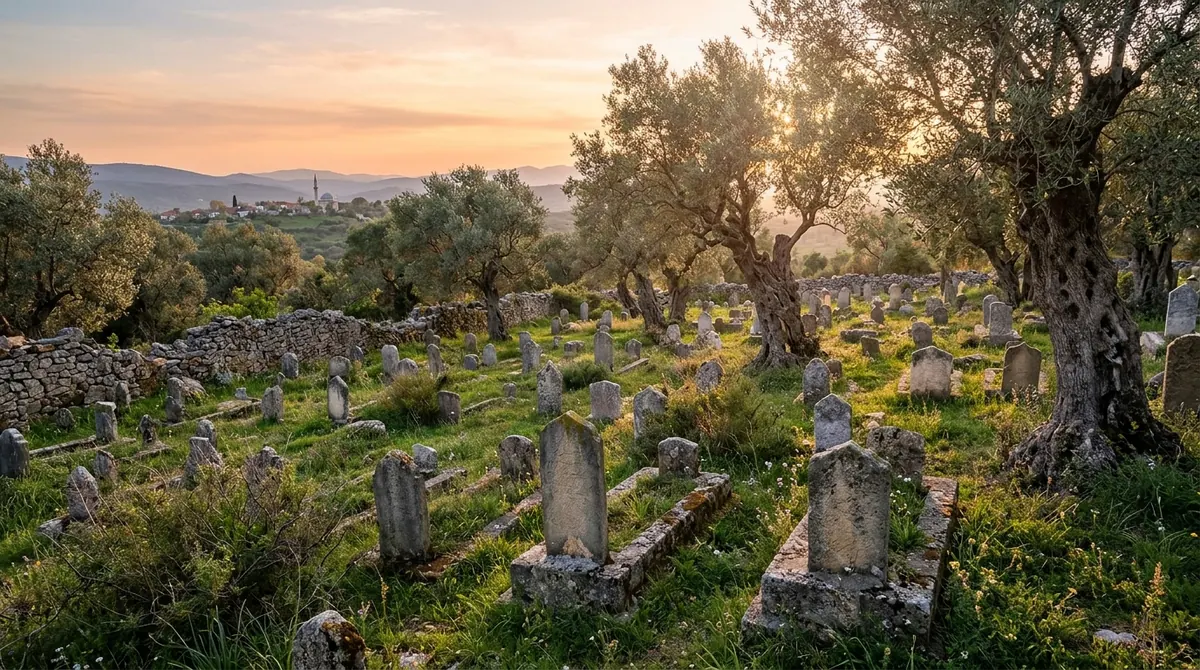
The moment of death
It is recommended to help the dying person say “La ilaha illa Allah”: “Whoever’s last words are La ilaha illa Allah will enter Paradise” (Abu Dawud, 3116). They are turned towards the qibla if possible and the Quran is recited near them. After death, their eyes are closed and supplications are made for them.
Life in the grave (barzakh)
The Prophet ﷺ described the questioning in the grave by two angels. The believer answers: “My Lord is Allah, my religion is Islam, my prophet is Muhammad”. The grave is widened and filled with light. The Prophet ﷺ sought refuge every day from the punishment of the grave (Sahih al-Bukhari, 1377). Surah Al-Mulk is called the protector from the grave (At-Tirmidhi, 2891).
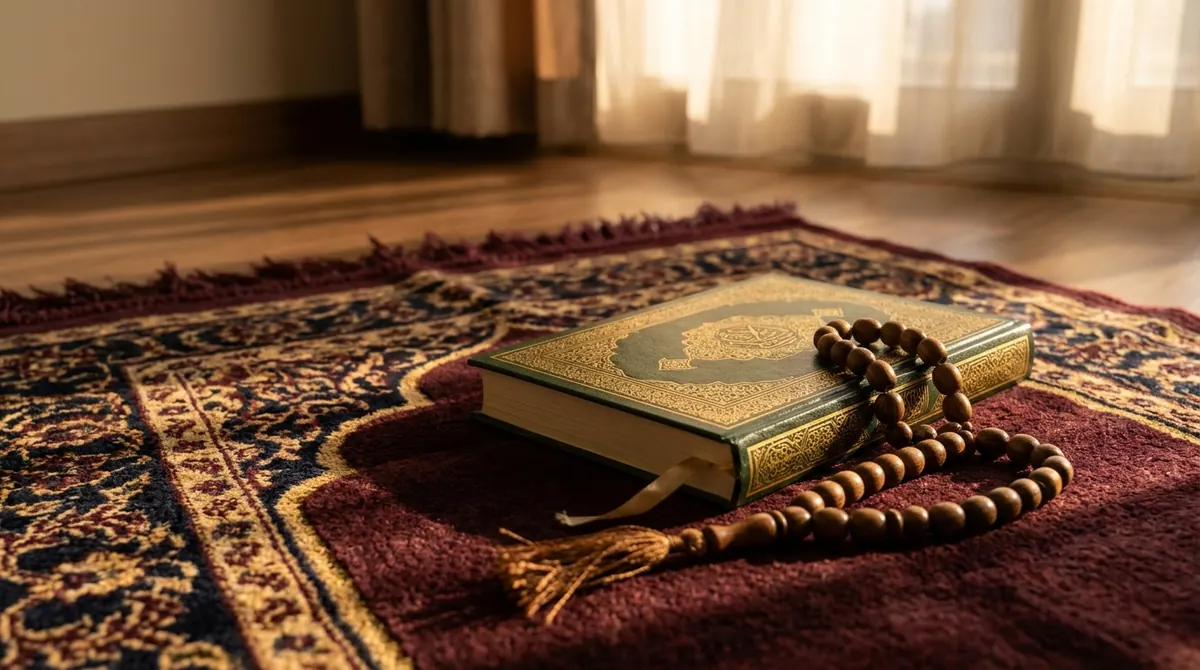
The steps after death
- Washing the body (ghusl) by people of the same sex or by the spouse.
- The shroud (kafan): three pieces of white cloth for a man, five for a woman.
- The funeral prayer (salat al-janazah), four takbirs without bowing or prostration.
- The burial, the deceased lying on the right side, facing the qibla.
- Supplication after the burial: “Ask forgiveness for your brother and steadfastness, for he is now being questioned” (Abu Dawud, 3221).
What benefits the deceased
“When a person dies, their deeds come to an end except three: an ongoing charity, beneficial knowledge, or a righteous child who prays for them” (Sahih Muslim, 1631). One may therefore give a sadaqah jariyah in their name, pray for them and pay off their debts. See also the signs of the end of times.
Continue reading
All of Islamic knowledge


You may be wondering…
What happens after death in Islam?
The soul is taken by the angel of death, then the deceased enters the barzakh, the life of the grave, until the Day of Resurrection. In the grave, two angels question them about their Lord, their religion and their prophet. Then come the Resurrection, the Judgement, and Paradise or Hell.
What do we say when someone dies?
We say: Inna lillahi wa inna ilayhi raji‘un, “Truly we belong to Allah and to Him we shall return” (Surah Al-Baqarah, 2:156). One may add: Allahumma ajirni fi musibati wakhluf li khayran minha (Sahih Muslim, 918).
How soon after death is the burial?
The Sunnah is to bury as quickly as possible (Sahih al-Bukhari, 1315), after washing the body and the funeral prayer. Local legal procedures may impose a delay of a few days.
Is it allowed to cry for the dead in Islam?
Yes. The Prophet ﷺ wept at the death of his son Ibrahim and said: “The eye weeps and the heart grieves, but we say only what pleases our Lord” (Sahih al-Bukhari, 1303). Wailing, screaming and striking oneself are forbidden.
Test your knowledge of Islam
3 questions, then as many rounds as you like.
Loading questions…